1911
H. G. Wells
In “Floor Games”, Wells describes how a child reveals themselves by building with simple wooden toys — the first published account of construction play as a window into the inner world.

Every researcher, clinician and institution that shaped the World Game — from H. G. Wells’ floor games to the international training programmes and university studies of today.
Play as a language: the first researchers to treat a built world as something that could be observed, recorded and read.
In “Floor Games”, Wells describes how a child reveals themselves by building with simple wooden toys — the first published account of construction play as a window into the inner world.
Develops the “Welttechnik” in London: a standardised set of miniatures and a sand tray, used to record and interpret a child’s play in a therapeutic setting.
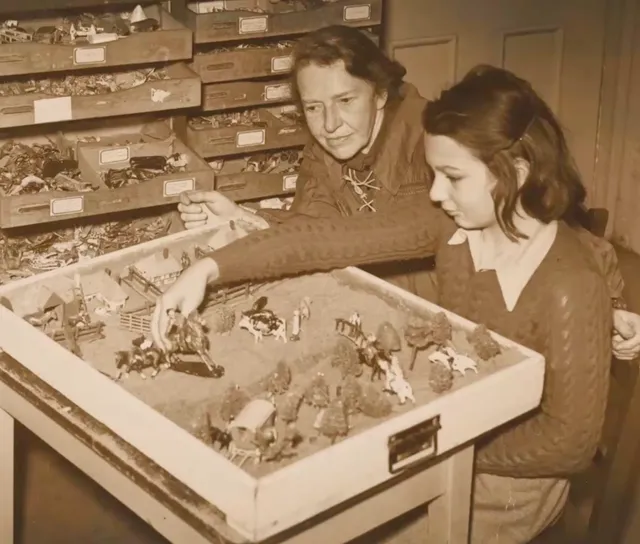
Uses play material as the basis for psychoanalytic work with children, influenced by Anna Freud, establishing play as a legitimate clinical language.
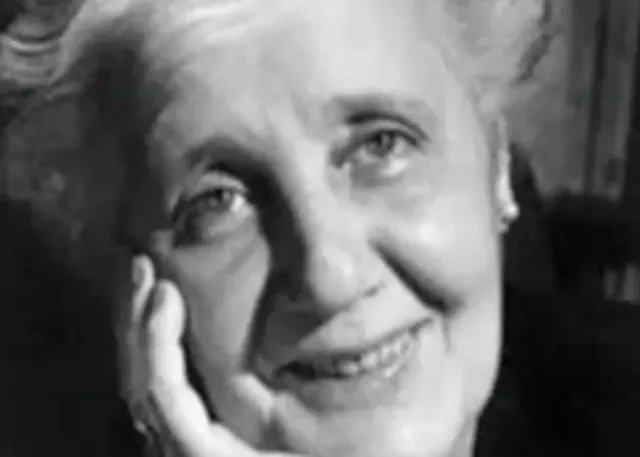
Uses the material to measure children’s behaviour and intelligence, developing the first systematic scoring approach — and brings the test to the Netherlands.
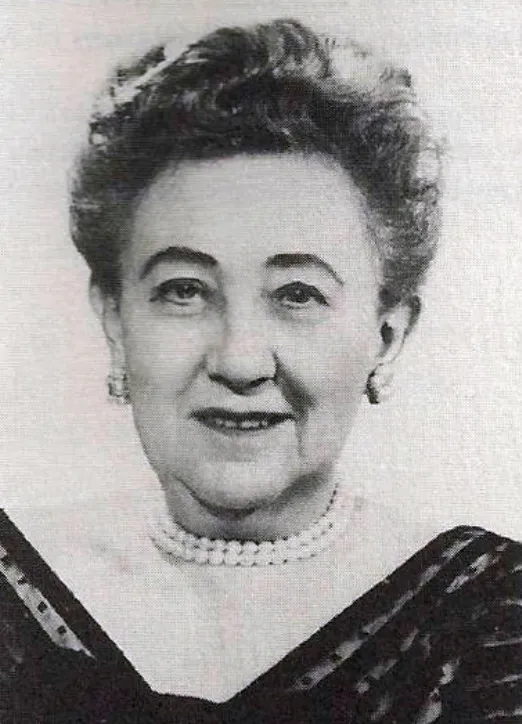
Arthus frames building as a test of creative capacity; Van Wijlick works on standardisation under Bühler, laying the groundwork for norm-based interpretation.
From an insightful method to a measurable instrument — norms, manuals and a theoretical grounding.
Standardises the material further, reading both the built structure and the symbolic meaning of the four quadrants of the table.
Establishes age norms and a diagnostic framework for the World Game, making it usable as a clinical instrument in Dutch child psychiatry.
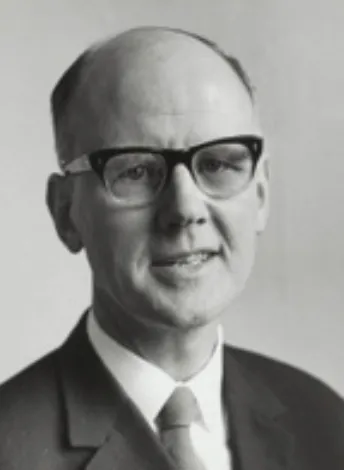
Shapes the pedagogical “Ojemann World Game” and publishes its first standardised manual — the version most widely used in Dutch education today.
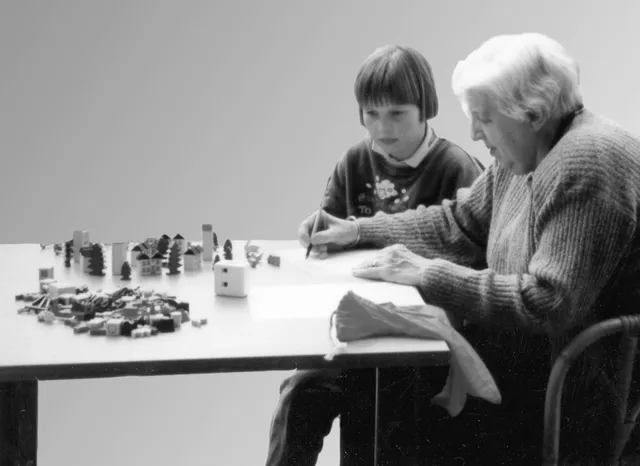
Links Piaget’s theory of spatial development to World Game levels, connecting what a child builds to their cognitive capacity.
Training, partnerships and university research carry the World Game into clinical and educational practice worldwide.
Portael & Andries show the World Game’s value in signalling reading problems, including early indicators of dyslexia.
Marion van de Coolwijk carries the test forward and builds the practitioner training that keeps it in active use.
Collaboration begins with Linda Silverman (Gifted Development Center, USA) and the Gifted Institute in Denmark, taking the test beyond the Netherlands.
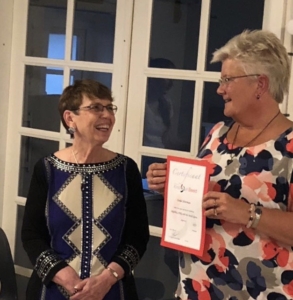
The first international training took place in spring 2018 in Denmark, where a group of international scientists came together to learn to work with the World Game.
Scientific research into the World Game and giftedness begins, placing the test back into a peer-reviewed setting.
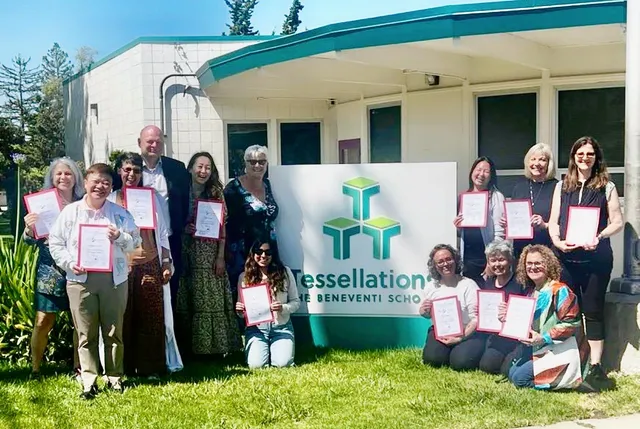
In 2024 the second international training took place in Cupertino, California (USA).
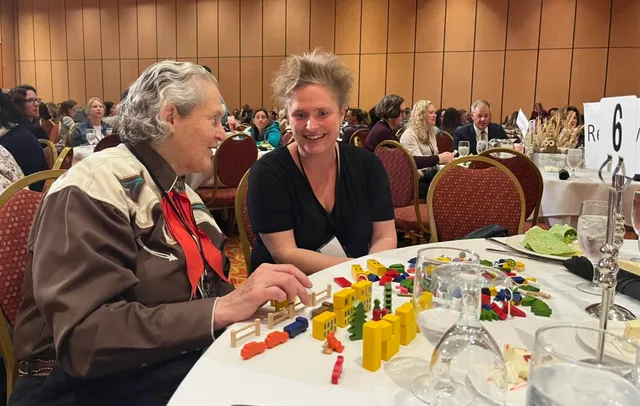
In 2025 the third international training took place in Colorado Springs, at the University of Colorado Colorado Springs. The “World Game & Raven’s-2” research was presented at the NAGC convention in Pittsburgh.
In 2026 the fourth international training took place in Muttenz/Basel, Switzerland.
The literature behind the World Game, from its origins in play diagnostics to decades of Dutch and Belgian clinical and educational research.
Researchers and educators on the World Game, in their own words.
Watch all films & interviewsResearch into the World Game continues, in collaboration with the Gifted Institute in Denmark, Radboud University Nijmegen in the Netherlands, and the University of Colorado Colorado Springs.